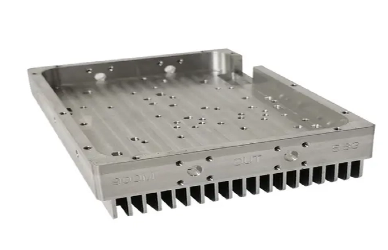
CNC machining is a precise manufacturing process that utilizes computer-controlled machines to create complex parts from various materials, including stainless steel. This technology is widely used in industries such as aerospace, automotive, medical devices, and consumer electronics, due to its ability to produce highly accurate and durable parts. Stainless steel, known for its strength, corrosion resistance, and versatility, is a popular choice for machining. However, the hardness of stainless steel significantly influences the CNC machining process. Understanding the material's hardness is crucial, as it affects everything from tool selection to cutting speeds, and ultimately, the precision and efficiency of the machining process. Harder stainless steels, such as 17-4 PH or 440C, require more careful planning and adjustment in machining parameters, as they increase tool wear, generate higher cutting forces, and reduce machining speeds. In contrast, softer alloys like 304 stainless steel are easier to machine but may offer less strength or corrosion resistance. This article explores how stainless steel hardness impacts the machining process and provides insights into optimizing CNC operations for different hardness levels.
What is Stainless Steel Hardness?
1.Definition of Hardness and Its Measurement:
Hardness refers to a material's resistance to deformation, indentation, or scratching. For stainless steel, common methods of measuring hardness include:
Rockwell Hardness (HRB, HRC): Measures the depth of indentation caused by a specific force. HRB is used for softer steels (like 304), while HRC is used for harder steels.
Brinell Hardness: Measures the diameter of the indentation left by a ball under pressure, useful for materials like stainless steel with coarse grain.
Vickers Hardness: Uses a diamond pyramid indenter and is useful for precise hardness measurement across varying levels.
2. Types of Stainless Steel with Varying Hardness Levels:
304 Stainless Steel:
Known for its good machinability, it typically has a hardness of 70-90 HRB. It’s commonly used in industries requiring corrosion resistance but is relatively easy to machine.
316 Stainless Steel:
Slightly harder than 304, with a hardness range of 80-95 HRB, and offers enhanced resistance to corrosion, making it suitable for harsh environments but harder to machine.
17-4 PH Stainless Steel:
A high-strength, precipitation-hardening stainless steel, it has a much higher hardness of 35-45 HRC after heat treatment. This makes it harder to machine but ideal for high-stress applications in aerospace and defense.
3. Impact of Hardness on CNC Machining:
Softer grades like 304 are easier to machine, while harder grades like 17-4 PH require more advanced tooling and slower cutting speeds, increasing tool wear and machining time.
Impact of Hardness on CNC Machining
1.Tool Wear and Tear:
Harder stainless steel grades, such as 17-4 PH or 440C, significantly increase the wear and tear on CNC tools. The cutting edges experience higher resistance during machining, leading to faster tool degradation. As a result, tools require more frequent replacements or re-sharpening, which increases operational costs, reduces efficiency, and can result in longer machine downtime.
2. Machining Speed:
The hardness of stainless steel directly affects the cutting speed. Harder materials create more resistance during the cutting process, which forces operators to reduce machining speeds. This slower pace leads to longer production times and potentially higher costs per part, as more time is required to finish each workpiece. Optimizing cutting parameters, such as feed rate and cutting depth, can help balance these challenges.
3. Cutting Forces:
With harder stainless steels, higher cutting forces are needed to shear the material, which places more stress on the CNC machine and its components. The increased forces can impact the machine's stability, affecting the precision of the machining process. The increased load can also cause vibrations, which may lead to dimensional inaccuracies, reducing the overall quality of the part.
4. Heat Generation:
Harder stainless steel grades generate more heat due to the increased friction between the cutting tool and material. Excessive heat can lead to a variety of issues, such as tool wear, part warping, or even thermal deformation. Proper heat management through effective cooling strategies—such as using coolant or optimizing cutting parameters—is essential to prevent damage to both the tool and the workpiece, ensuring high-quality results.
Strategies for Machining Hard Stainless Steel
1.Tool Selection:
When machining hard stainless steels, such as 17-4 PH or 440C, it’s crucial to select tools made from high-quality, durable materials that can withstand high cutting forces and resist wear. Carbide tools are commonly used due to their exceptional hardness and wear resistance. Ceramic tools, while more brittle, can also be effective for specific applications requiring high cutting speeds. Coated tools, such as those with titanium nitride (TiN) or diamond-like coatings (DLC), further enhance tool life and performance by reducing friction and heat buildup.
2.Optimized Cutting Parameters:
To improve machining efficiency and extend tool life when working with hard stainless steel, optimizing cutting parameters is essential. Reducing cutting speeds and feed rates helps minimize the heat generated during machining, which in turn reduces tool wear and the risk of part distortion. Additionally, adjusting the depth of cut and ensuring that the cutting force is evenly distributed across the tool can improve surface finishes and maintain precision. Fine-tuning these parameters based on the material's hardness will help optimize both efficiency and accuracy.
3.Coolant Management:
Proper coolant application is crucial for managing the heat generated during the machining of hard stainless steels. Effective coolant use not only helps dissipate heat but also lubricates the cutting tool, reducing friction and preventing premature wear. Flood cooling or high-pressure coolant systems can be used to target the cutting zone and ensure that heat does not build up excessively, which could lead to tool damage or part distortion. The correct coolant type—whether oil-based or water-soluble—also plays a significant role in optimizing machining performance and ensuring high-quality results.
Choosing the Right Stainless Steel Grade for CNC Machining
1.Balancing Hardness and Machinability:
Selecting the appropriate stainless steel grade for CNC machining requires a balance between hardness and machinability. While harder stainless steels offer superior strength, corrosion resistance, and durability, they are more challenging to machine. Conversely, softer grades are easier to machine but may sacrifice some mechanical properties.
When choosing a stainless steel grade, consider the part's application, required strength, and the complexity of the machining process. For example, if high precision is necessary for complex geometries, a softer, more machinable grade may be preferred. However, if the part will be exposed to harsh conditions, a harder alloy may be more suitable, even if it requires more time and specialized tooling to machine.
2. Examples of Easy-to-Machine vs Hard-to-Machine Alloys:
304 Stainless Steel:
304 stainless steel is one of the most commonly used alloys for CNC machining. It has relatively low hardness compared to other stainless steels, typically in the range of 70-90 HRB (Rockwell B scale), making it easier to machine. It offers good corrosion resistance and is often used in food processing, medical, and architectural applications. Due to its ease of machinability, 304 is ideal for parts with moderate complexity that require a good balance of strength, corrosion resistance, and ease of machining.
17-4 PH Stainless Steel:
17-4 PH is a precipitation-hardened stainless steel known for its high strength, corrosion resistance, and excellent mechanical properties. However, its hardness typically ranges from 35-45 HRC (Rockwell C scale), making it much harder to machine than 304. This increased hardness means that machining 17-4 PH requires more advanced tooling, slower speeds, and more precise control of cutting forces. 17-4 PH is commonly used in high-performance industries like aerospace and automotive, where strength and fatigue resistance are critical. While it’s more challenging to machine, its superior properties make it the material of choice for demanding applications.
3.Choosing the Right Grade for Your Needs:
To select the right stainless steel for CNC machining, consider the following factors:
Application Requirements: Does the part need to withstand high pressure, extreme temperatures, or corrosive environments?
Machinability: How complex is the part geometry? Softer alloys like 304 are ideal for intricate designs that require faster machining times.
Strength and Durability: Does the part need to be tough and wear-resistant? For high-strength applications, consider harder alloys like 17-4 PH or 440C.
Choosing the right stainless steel grade ensures you balance machining efficiency with the material’s performance characteristics, leading to better results and cost-effectiveness.
FAQ
1.How do different grades of stainless steel affect CNC machining?
Softer grades like 304 are easier to machine with less tool wear, while harder grades like 17-4 PH require specialized tools, slower speeds, and careful machining due to increased resistance.
2.What tools are best for machining hard stainless steel?
Carbide and ceramic tools are best for hard stainless steel. Carbide tools, especially those with coatings like TiN, offer durability and wear resistance. Ceramic tools are also suitable for high-speed machining of hard alloys.
3.Can CNC machining be used for stainless steel alloys with high hardness?
Yes, but it requires specialized tools and equipment. Hard alloys like 440C or 17-4 PH need slower speeds and precise control to prevent excessive tool wear and part distortion.
4.What is the best way to control heat buildup during stainless steel CNC machining?
Use high-pressure coolant or flood cooling to dissipate heat. Optimizing cutting speeds and feed rates also helps reduce heat generation, while selecting heat-resistant tools can extend tool life.
Conclusion
In conclusion, the hardness of stainless steel significantly affects the CNC machining process, influencing tool wear, machining speed, cutting forces, and heat generation. Harder stainless steel grades, while offering superior strength and durability, present challenges such as increased cutting resistance, higher tool wear, and longer machining times. To overcome these challenges, it’s essential to use high-quality, durable tools like carbide or ceramic, optimize cutting parameters, and implement effective coolant management. Selecting the right stainless steel grade for the job, based on its hardness and intended application, is crucial for balancing performance, machinability, and cost-efficiency. Proper material and tool selection not only ensures machining efficiency but also guarantees high-quality results, making it essential for success in any CNC machining project.