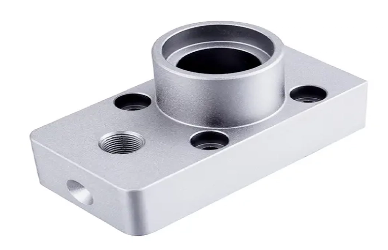
OEM CNC turning is a precision manufacturing process used to create cylindrical parts by rotating the workpiece against a stationary cutting tool. It plays a crucial role in various industries, including automotive, aerospace, medical devices, and electronics, where high accuracy, tight tolerances, and high-quality finishes are essential. CNC turning allows for the mass production of complex parts with consistent precision, making it an indispensable process in modern manufacturing. Understanding production timelines for OEM CNC turning parts is vital for efficient project planning, ensuring that manufacturing processes are completed on schedule, meeting client expectations. Accurate timeline management not only helps in optimizing resource allocation but also prevents delays, supports just-in-time manufacturing, and fosters better relationships between manufacturers and clients by aligning on delivery commitments.
Factors Affecting Manufacturing Time of OEM CNC Turning Parts
1. Part Complexity:
The complexity of the part plays a significant role in determining machining time. Parts with intricate designs, fine features, or multi-axis cutting require more time for programming and machining. Complex geometries and detailed features (like grooves, slots, or threads) can increase cycle times due to the precision required in the process.
Simple parts with basic cylindrical shapes can be machined more quickly, whereas parts with multiple features or tight tolerances demand more advanced operations, which in turn, lengthens the manufacturing time.
2. Material Type:
Harder materials like stainless steel and titanium take longer to machine compared to softer ones like aluminum. Harder materials generate more heat and cause tool wear, requiring slower speeds and feed rates, which extends machining time.
3. Machine Capacity:
The machine's size, tooling, and spindle speed impact production time. Advanced CNC machines with higher capacities can handle complex parts faster, while smaller machines may take longer. Machine setup time also affects production time, especially for large or intricate parts.
4. Tolerances and Quality:
Achieving tight tolerances (e.g., ±0.01 mm) and high-quality finishes requires slower cutting speeds and more precise measurements. Parts with higher quality demands may need additional finishing operations, which increases machining time.
5. Batch Size:
The size of the order impacts how quickly each part can be produced. For large batches, initial setup time is amortized over a higher number of parts, and processes can be optimized for efficiency. This leads to reduced machining time per part due to the economies of scale.
Small batch production or single-piece orders often take longer because the machine setup time is not spread across many parts, and each part may require more individual attention. Additionally, small orders may not benefit from the same tooling optimization or machine utilization that comes with larger orders.
Time for Prototypes vs. Mass Production of OEM CNC Turning Parts
1. Prototyping:
Shorter production time is typical for prototypes, usually ranging from a few days to a week, depending on part complexity and material choice. The process involves creating a single or a small number of parts to test design, functionality, or fit.
Prototyping is often focused on rapid iterations and may involve more manual processes, quicker setup times, and a focus on design verification rather than production efficiency.
Complex parts with intricate features may take slightly longer, but the overall time is still relatively short compared to mass production.
2. Mass Production:
While time per part may be longer in mass production due to the need for higher precision and quality control, overall production time is faster due to the automation and optimized processes involved.
Mass production benefits from established tooling, efficient workflows, and automated CNC setups, which reduce the setup time for each individual part. However, initial tooling setup and calibration can take longer compared to prototyping.
The advantage of mass production is that the cost and time per part decrease as the number of parts increases, making it more efficient for large-volume runs.
Lead Time Considerations for OEM CNC Turning Parts
1. Importance of Scheduling and Tooling Setup:
Proper scheduling is essential to ensure that all processes—such as material sourcing, machine preparation, and tool setup—align smoothly to meet deadlines. Delays in one step, such as tooling setup or machine calibration, can impact the entire production schedule.
Tooling setup involves selecting the right tools and configuring machines for specific parts. This setup can be time-consuming, especially for complex parts or new designs. Efficient tool management and pre-planning can significantly reduce setup times, improving lead times.
Batch size and part complexity also influence the overall scheduling. Larger orders with similar parts benefit from faster, more streamlined setups than small, custom parts that require individual attention.
2. Factors Contributing to Delays:
Material Availability: Delays in sourcing raw materials can extend lead times. Materials with specific properties (e.g., certain grades of stainless steel) might have longer lead times due to limited supply or transportation delays.
Machine Downtime: Unforeseen machine breakdowns or maintenance issues can disrupt production schedules. Regular machine maintenance and quick response times to any issues can mitigate these delays.
Supply Chain Issues: Delays in receiving components, tools, or raw materials due to global or local supply chain disruptions can affect production schedules and increase lead times.
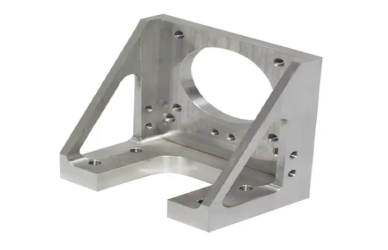
Streamlining Production for OEM CNC Turning Parts
1. Best Practices for Reducing Machining Time:
Optimizing Cutting Parameters:
Adjusting cutting speeds, feed rates, and depth of cut is crucial for improving machining efficiency. Higher cutting speeds and optimal feed rates can reduce cycle times without compromising part quality. For harder materials or more complex geometries, balancing cutting parameters ensures faster processing while maintaining the required precision.
Tool Selection:
Choosing the right cutting tools is essential for reducing machining time. Tools made from durable materials like carbide or ceramics can handle faster feed rates and extended cutting times, allowing for higher efficiency. Additionally, selecting tools with proper coatings (e.g., TiN or TiAlN) can reduce wear and improve tool life, which further reduces the need for frequent tool replacements and maintenance.
Multi-tasking Machines:
Utilizing multi-axis CNC machines or turn-mill machines that can perform multiple operations in a single setup minimizes the need for part handling and setup between different machining steps, thus speeding up the overall process.
Process Standardization:
Streamlining operations through standardized setups and repeatable processes can minimize setup time. Additionally, having a consistent approach to tooling and programming for common parts helps in reducing learning curves and errors during production.
2. Importance of Effective Communication with CNC Providers:
Clear Project Specifications:
Ensuring that the CNC provider understands the part design, tolerances, and materials from the outset is crucial. Clear and detailed drawings, along with any specific production requirements, can prevent misunderstandings and errors that lead to delays.
Accurate Timeline Estimates:
Good communication with your CNC provider helps establish a realistic timeline for both prototypes and mass production. Providers can give accurate lead time estimates based on the complexity of the parts, tooling requirements, and current machine availability. Early discussions about production capacity and any potential bottlenecks can help mitigate delays.
Collaborating on Optimizations:
Collaborating with the CNC provider to discuss potential optimizations, such as adjusting cutting parameters, using alternative materials, or simplifying part features, can help reduce machining time and costs. Regular feedback and open communication can lead to ongoing process improvements throughout production.
FAQ
1.What factors influence the production time for CNC turning parts?
Factors such as part complexity, material type, required tolerances, and batch size all influence the time needed to manufacture CNC turned parts. Intricate designs, harder materials, tighter tolerances, and small batch sizes typically lead to longer production times. The more complex and specialized the part, the longer the machining process.
2.How long does it take to produce a CNC turning prototype?
A CNC turning prototype typically takes a few days to a week, depending on the part complexity, material, and the availability of tools. Simpler parts may be completed quickly, while intricate designs requiring specialized tooling may extend production time. The prototype phase often involves multiple iterations, which can affect the overall timeline.
3.Can production time be reduced for large volume orders?
Yes, larger volumes typically reduce the time per part due to batch processing, tool setup optimization, and economies of scale. Once initial setup is completed, large orders benefit from automated processes that streamline production, significantly reducing overall lead times compared to smaller, one-off orders.
4.How can I ensure timely delivery of my CNC turning parts?
To ensure timely delivery, it is important to plan ahead, clearly communicate your requirements with the manufacturer, and take into account lead times for material procurement, tooling setup, and machine availability. Collaborating with the CNC provider to align timelines and proactively address potential issues, such as material shortages or machine downtime, can help prevent delays and ensure the parts are delivered as promised.
Conclusion
In summary, the key factors influencing machining time for OEM CNC turning parts include part complexity, material type, required tolerances, batch size, and machine capabilities. More intricate designs, harder materials, and tighter tolerances typically lead to longer production times, while larger batch sizes and optimized tooling setups can help reduce machining time per part. Accurate estimation of production timelines requires careful consideration of these factors, effective communication with CNC providers, and a proactive approach to scheduling and material sourcing. By thoroughly understanding the production process and potential delays, manufacturers can more effectively plan, manage resources, and meet client expectations, ensuring timely and high-quality delivery of CNC turned parts.