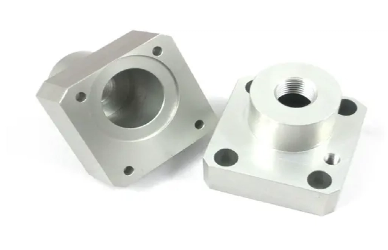
CNC milling is a highly precise machining process that uses computer-controlled machines to remove material from a workpiece, creating intricate and accurate parts. This technology has become indispensable in manufacturing industries, especially for producing high-precision aluminum components used in sectors like aerospace, automotive, electronics, and medical devices. Aluminum is a popular choice for CNC milling due to its lightweight, strength, and excellent machinability. However, the cost of aluminum CNC milling can vary significantly based on several factors. These include the type of aluminum alloy used, the complexity of the part design, the machine technology employed, the volume of parts required, and any additional post-processing or finishing steps. Understanding these factors is crucial for businesses to estimate costs accurately and make informed decisions when selecting a CNC milling service.
Factors Affecting Aluminum CNC Milling Costs
1.Material Type & Quantity:
The type of aluminum alloy chosen significantly influences the cost. For instance, specialty alloys like 7075 aluminum are more expensive than standard alloys like 6061. Additionally, the quantity of material required for the project affects pricing, as larger volumes lead to higher material costs. Bulk orders often benefit from economies of scale, reducing the cost per part.
2. Part Complexity:
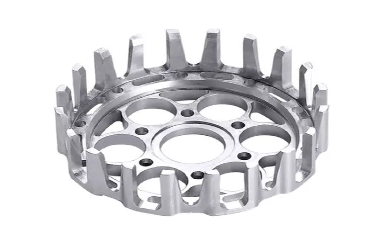
The complexity of the part’s design plays a major role in determining the cost. Parts with intricate geometries, multiple features, or tight tolerances require more advanced machining techniques and longer processing times. The more detailed the part, the higher the cost due to increased tool wear and precision requirements.
3. Machine Type & Technology:
The choice of CNC machine type directly impacts the cost. Standard 3-axis machines are more affordable, but they may not be suitable for complex or multi-sided parts. In contrast, advanced 5-axis CNC machines offer greater flexibility and precision, especially for complex geometries, but come with a higher operational cost. The level of automation and advanced technology used in the machinery also affects the price.
4. Setup and Labor Costs:
The time and effort involved in setting up the machine, programming it for the specific job, and operating it with skilled labor also contribute to the overall cost. Complex setups or intricate part requirements necessitate more time, which increases labor costs. Skilled machinists are essential for ensuring high-quality outcomes, especially for tight tolerances.
5.Finishing & Post-Processing:
Many aluminum CNC milling projects require additional post-processing steps, such as anodizing, painting, or surface polishing, to improve the appearance, durability, or corrosion resistance of the parts. These extra steps add to the cost, especially if specialized treatments or coatings are needed. The more complex the finishing process, the higher the cost will be.
Cost Range for Aluminum CNC Milling
1. Prototype & Small Batch Production:
For prototypes and small batch production, the cost per part is typically higher due to the need for specialized setup and lower production volumes. The process requires time for machine setup, precise programming, and fine-tuning to ensure the parts meet the exact specifications. As a result, the cost per part for low-volume, high-precision aluminum CNC milling can range from $10 to $100 or more. This range depends on factors such as material type, part complexity, and the machine used. The fewer parts produced, the higher the cost per unit, as fixed costs (such as setup and programming) are spread over a smaller number of pieces.
2. Mass Production:
In contrast, mass production is far more cost-efficient due to economies of scale. With larger production runs, the initial setup cost is distributed across many parts, and machines operate at optimal efficiency. The cost per part can drop significantly, with prices ranging from $1 to $10 per part depending on factors like design complexity, required tolerances, and the volume of production. For high-volume CNC milling, bulk material discounts, faster machining times, and streamlined workflows all contribute to reducing the overall cost per part. As the volume increases, the cost per unit decreases, making CNC milling a highly cost-effective solution for large-scale production runs.
3. Additional Costs:
While the primary cost of aluminum CNC milling is determined by part complexity and production volume, several additional costs must also be considered:
Tooling Costs: CNC milling tools, such as drills and end mills, wear out over time and need to be replaced. Tool costs can range from a few dollars for standard tools to several hundred dollars for specialized or custom tools required for intricate designs.
Maintenance and Machine Time: CNC machines require routine maintenance to ensure optimal performance. Regular calibration and machine servicing help avoid unexpected downtimes, but they also contribute to the overall cost. The time required for machine operation and maintenance is factored into the pricing, especially for high-precision equipment.
Post-Processing & Finishing: Many aluminum parts require additional post-processing steps, such as anodizing, coating, or surface polishing, to enhance durability or improve appearance. These processes add to the cost, especially when specialized finishing techniques are needed.
How to Get Accurate Pricing for Aluminum CNC Milling
1.Obtaining Quotes from CNC Machining Services:
To get an accurate quote for aluminum CNC milling, it's essential to reach out to several reputable CNC machining services. Start by submitting a request with detailed information about your project. Most CNC service providers will ask for technical drawings or 3D models of the part, along with specifics such as material type, dimensions, tolerances, and finishing requirements. Some companies may also require information about your desired production volume and lead time. It's a good idea to request quotes from multiple providers to compare prices, turnaround times, and service quality.
2. Importance of Providing Detailed Specifications:
Providing precise and detailed specifications is critical for obtaining an accurate pricing estimate. The more information you can provide, the more accurate the quote will be. Specifications should include:
Material Type & Grade: Clearly state the type of aluminum alloy (e.g., 6061, 7075) and any specific material requirements.
Part Dimensions & Tolerances: Be clear about the size of the part and the tightness of the tolerances. High-precision parts will cost more.
Surface Finish & Post-Processing: If any post-processing is required (e.g., anodizing, painting, polishing), make sure to specify this.
Volume & Production Time: Indicate whether you're looking for a prototype, small batch, or large-scale production. Prices vary significantly depending on production volume.
Complexity & Features: The more intricate the part (e.g., complex geometries, multi-axis machining), the higher the cost. Providing detailed design drawings will help the machinist assess the complexity.
3. Tips for Negotiating Pricing and Getting the Best Value:
Evaluate Full Service, Not Just Price: While price is an important factor, consider the quality of the machining service. A lower price may come with trade-offs in terms of accuracy, lead times, or customer support. Ensure that the service provider has experience with aluminum CNC milling and can meet your quality standards.
Bulk Discounts: If you're planning for a larger production run, negotiate for bulk discounts. CNC machining services typically offer price breaks for high-volume orders, which can help reduce the cost per part.
Streamline Your Design: Simplifying the design or reducing the complexity of the part can help lower the cost. If possible, work with the CNC service provider to optimize your design for manufacturing (DFM). By reducing the number of features or opting for simpler geometries, you can cut down on machining time and costs.
Consider Lead Time Flexibility: If you're not in a rush, you may be able to negotiate a better price by being flexible on the delivery time. Longer lead times can sometimes help reduce costs, as the service provider may be able to schedule your project during a slower period.
FAQ
1.What is the average cost of aluminum CNC milling per part?
The cost varies based on complexity, material, and volume. For prototypes or small batches, it ranges from $10 to $100 per part. For mass production, it can drop to $1 to $10 per part due to economies of scale. Complex or high-precision parts cost more.
2. Does the complexity of the design affect CNC milling costs?
Yes, complex designs with intricate geometries, tight tolerances, or multiple features increase machining time, tooling wear, and setup requirements, raising the overall cost.
3. How can I reduce the cost of aluminum CNC milling for small batches?
To cut costs, simplify the design, negotiate for lower setup fees, use common alloys like 6061 aluminum, and optimize part orientation to reduce machining time and tool wear.
4. What is the difference in cost between 3-axis and 5-axis CNC milling for aluminum?
3-axis CNC milling is less expensive due to simpler setups, while 5-axis CNC milling offers more precision for complex parts but costs more because it requires advanced equipment and programming.
Conclusion
The cost of aluminum CNC milling is influenced by several key factors, including the material type and quantity, the complexity of the part design, the type of CNC machine used, labor and setup costs, and any additional post-processing or finishing requirements. Parts with intricate geometries or tight tolerances typically incur higher costs due to increased machining time and the need for advanced equipment. In contrast, larger production runs tend to benefit from economies of scale, reducing the cost per part. To get the best value, it’s essential to provide detailed specifications when requesting quotes and to consider both quality and price when choosing a CNC milling service. Opting for a provider with experience in aluminum machining, high-quality equipment (such as 5-axis CNC machines), and efficient processes will help ensure the precision of your parts while keeping costs competitive. Balancing cost with quality and efficiency is key to selecting a service that meets both your technical requirements and budget constraints.