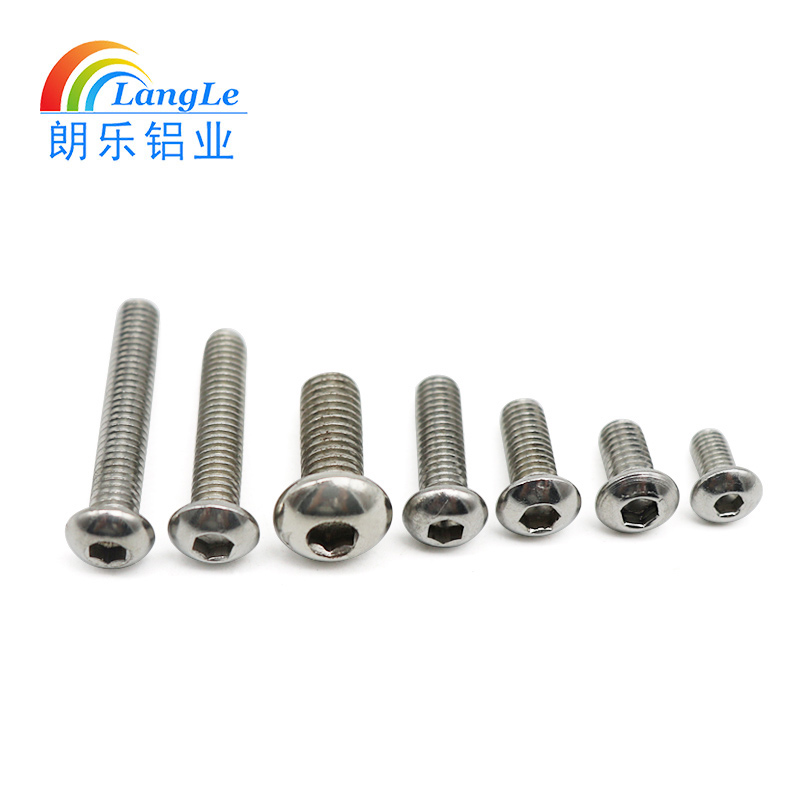
In modular aluminum framing systems, profile selection is only part of the structure design. The actual strength of the frame also depends on how the profiles are joined. Even a high-quality aluminum extrusion can perform poorly if the wrong connectors, bolts, or nuts are used, or if the accessories are mismatched to the slot system and application.
For buyers, integrators, and fabricators, connector selection affects more than assembly convenience. It directly influences frame rigidity, alignment accuracy, service life, and how easily the structure can be modified later. This is especially important in aluminum profile systems used for workstations, machine enclosures, conveyor systems, and other industrial frames.
This guide explains how to choose aluminum profile connectors for stronger frames, with practical recommendations for different structures and working conditions.
Why Connectors Matter in Aluminum Framing Strength
A modular frame does not behave as a strong structure unless the joints can transfer load effectively. In aluminum profile assemblies, connectors act as the structural link between the profiles. They control how forces move through the frame and how well the corners resist loosening, twisting, and deflection over time. 80/20’s fastening guide states that hardware choices directly affect T-slot system performance and safety, and that every connection point impacts stability and reliability.
In practice, stronger frames usually come from a better combination of:
the correct profile size
the correct connector type
compatible bolts and nuts
proper tightening and alignment
suitable reinforcement at critical joints
If any of these factors is weak, the overall frame becomes weaker, even if the extrusion itself looks oversized.
Common Connector Types in Aluminum Profile Systems
Most aluminum profile systems use a combination of connectors and fastening hardware rather than a single joining method. Across major T-slot framing systems, common connection categories include internal fasteners, external fasteners, and hardware such as T-nuts, bolts, screws, washers, studs, and bolt assemblies.
The most common connector types include:
Internal connectors for hidden or flush joints
External brackets and gussets for visible reinforcement
Corner connectors for right-angle frame assembly
Joining plates for linear or flat reinforcement
T-nuts and bolts for adjustable fastening in profile slots
Special accessories such as door hardware, feet, and bracing pieces for functional structures
Common Connector Types and Their Typical Use
| Connector Type | Typical Position | Main Advantage | Typical Use |
|---|
| Internal connector | Inside the profile or slot | Clean appearance, flush surface | Enclosures, clean layouts, guarded frames |
| External bracket | Outside the profile | Easy installation and reinforcement | Workbenches, machine frames, retrofits |
| Gusset / corner bracket | Outside corner joint | Better corner support | Heavier frames, anti-racking reinforcement |
| Joining plate | Along flat surfaces or junctions | Added stiffness over a wider area | Long frames, panel support, conveyors |
| T-nut + bolt | In the slot | Adjustable, modular fastening | General accessories, panels, brackets |
| Foot / bracing accessory | Base or support points | Stability and leveling | Workbenches, floor frames, support systems |
Internal vs External Connectors
One of the simplest and most useful ways to choose a connector is to start with the distinction between internal and external fasteners. 80/20 explicitly divides T-slot fasteners into these two categories.
Internal connectors
Internal fasteners are installed inside the T-slot or profile body. Their main advantage is a cleaner exterior and a smoother frame surface. 80/20 notes that internal fasteners create flush, hidden connections and help maintain a smooth outer profile, which makes them attractive for cleaner-looking builds and environments where appearance or cleanability matters.
Internal connectors are often a good choice for:
machine enclosures
clean-looking workstations
frames with panels or doors
projects where protruding brackets are undesirable
However, internal connectors may require more preparation, more precise machining, or more careful alignment during assembly.
External connectors
External connectors are mounted outside the frame, usually as brackets, gussets, or joining plates. Major T-slot systems group these under plate connectors, joining plates, and brackets or gussets. External reinforcement is popular because it is easier to install, easier to inspect, and easier to add during upgrades or repairs.
External connectors are often a good choice for:
In general, internal connectors are often chosen for clean design, while external connectors are often chosen for assembly speed, reinforcement, and accessibility.
How Bolts and Nuts Affect Assembly Stability
Connectors do not work alone. In most modular aluminum structures, bolts, screws, and T-slot nuts are the parts that actually clamp and secure the joint. That means assembly stability depends heavily on using the right hardware combination, not just the right bracket.
Item’s documentation is especially useful here: its T-slot nut guidance notes that the load-carrying capacity must be considered for the entire system comprising the T-slot nut, groove flank, and screw, not just one individual part. Item also describes spring-mounted and anti-torsion variants that help hold the nut in position and improve installation reliability.
In practical terms:
the wrong thread size can weaken the joint
a poorly seated T-nut can reduce holding performance
insufficient tightening can allow frame movement
over-tightening can damage the connection or distort alignment
inconsistent hardware quality can reduce repeatability across the frame
For stronger assemblies, buyers should treat bolts and nuts as structural accessories, not as minor afterthoughts.
Connector Selection for Workbenches, Enclosures, and Conveyors
Not every frame needs the same connection strategy. Aluminum profile accessories as essential in structures such as workstations, conveyor systems, and machine enclosures, which makes these three application types especially relevant for connector selection.
Workbenches
Workbench frames usually need good overall rigidity, but they also need practical assembly and easy accessory mounting. External corner brackets, joining plates, base feet, and reliable T-nut and bolt combinations are often the most practical choice. For standard industrial workbenches, visible reinforcement is usually acceptable, and serviceability matters more than hiding every joint.
Best connector priorities for workbenches:
easy assembly
stable 90-degree corner support
reliable base fastening
compatibility with drawers, shelves, and panels
Machine enclosures
Machine enclosures often benefit from cleaner frame geometry and smoother outer surfaces, especially when panel mounting, doors, or guarded access points are involved. Internal connectors are often preferred at visible corners, while external reinforcement may still be added at high-stress points or base sections.
Best connector priorities for enclosures:
Conveyors
Conveyor frames usually face repeated loads, vibration, and longer spans. In these cases, joint strength and anti-racking reinforcement become more important than appearance. External brackets, gussets, joining plates, and strong bolt-and-nut combinations are often the safer choice for structural stability and service access.
Best connector priorities for conveyors:
high joint stiffness
reinforcement against vibration
support for longer frame runs
easy maintenance and future adjustment
Common Assembly Mistakes That Weaken Frames
A frame can still fail to perform well even when the correct connector type is purchased. In many cases, weakness comes from assembly mistakes rather than material quality.
1. Using incompatible accessories
This is one of the most common mistakes. Not all accessories are compatible with every aluminum profile system, and mismatched parts can reduce stability.
2. Relying only on profile size
A larger profile does not automatically solve a weak joint. If the connection method is poor, the frame can still rack, loosen, or shift.
3. Underestimating corner reinforcement
Corners usually carry more stress than straight segments. Without enough brackets, gussets, or proper internal locking, the structure loses stiffness quickly.
4. Ignoring bolt and nut quality
Weak hardware, incorrect thread engagement, or poor tightening practice can reduce the performance of an otherwise good connector system.
5. Poor alignment during assembly
80/20’s installation guidance emphasizes proper preparation and precise alignment when installing fasteners. Misalignment can preload the frame unevenly and reduce long-term stability.
6. Forgetting future load changes
Frames often get upgraded later with shelves, panels, motors, cable trays, or guarding. If the connector system is selected too lightly, later modifications can expose weak joints.
How to Choose the Right Accessories for Your Structure
The best way to choose aluminum profile connectors is to evaluate the structure as a whole rather than selecting parts one by one.
Ask these questions first:
Is the frame light-duty, medium-duty, or heavy-duty?
Will the joints see vibration, repeated loading, or shock?
Is appearance important, or is visible reinforcement acceptable?
Will the frame need doors, panels, shelves, or moving components?
Will the structure need future modification or expansion?
A practical selection approach
Choose internal connectors when you want a cleaner appearance and fewer external protrusions.
Choose external brackets or gussets when you want easier installation and stronger visible reinforcement.
Choose high-quality T-nuts, bolts, and washers that match the profile slot and expected load.
Add foot bracing pieces or base accessories when floor stability and leveling matter.
Check compatibility carefully across profile series, slot size, connector type, and application.
For many industrial projects, the strongest solution is not purely internal or purely external. It is often a combination: clean internal joints where appearance matters, plus external reinforcement where the frame sees higher structural stress.
Conclusion
Aluminum profile connectors play a major role in frame strength, alignment, and long-term reliability. The profile itself provides the structure, but the connectors determine how effectively that structure performs in real use.
Internal connectors are often best for clean, low-profile builds. External brackets and gussets are often better when reinforcement, serviceability, and fast installation matter more. Bolts, screws, and T-slot nuts also deserve careful attention, because assembly stability depends on the entire fastening system rather than on one accessory alone.
For workbenches, enclosures, conveyors, and other modular aluminum frames, the right connector choice comes from matching the accessories to the actual structure, load, and installation environment. When selected correctly, the right accessories make the frame stronger, more reliable, and easier to maintain.
Need the right connectors and accessories for a stronger aluminum profile frame?
Whether you are building a workbench, machine enclosure, conveyor frame, or custom modular structure, our team can help you choose the right connectors, bolts, nuts, and support accessories for better strength and easier assembly. Contact us today for technical support or a custom aluminum profile accessory solution.
FAQs
1. Why are connectors important in aluminum profile frames?
Connectors determine how the profiles transfer load at joints. They affect frame rigidity, alignment, and long-term stability.
2. What is the difference between internal and external connectors?
Internal connectors are installed inside the profile or slot for a cleaner appearance. External connectors are mounted outside the frame, usually as brackets or gussets, for easier installation and visible reinforcement.
3. Are external brackets stronger than internal connectors?
Not always in every design, but external brackets are often preferred where easier reinforcement, inspection, and retrofit flexibility are needed.
4. Do bolts and nuts really affect frame strength?
Yes. The stability of the joint depends on the full fastening system, including the connector, bolt, nut, screw, and profile groove compatibility.
5. Which connectors are best for aluminum workbenches?
For most workbenches, corner brackets, joining plates, T-nuts, bolts, and stable base accessories are practical choices because they balance strength and easy assembly.
6. Which connectors are better for machine enclosures?
Machine enclosures often benefit from internal connectors for a cleaner frame surface, combined with selected external reinforcement where higher stress exists.
7. What mistakes make aluminum profile frames weaker?
Common mistakes include using incompatible accessories, weak corner reinforcement, poor alignment, incorrect hardware, and choosing connectors without considering future loads.