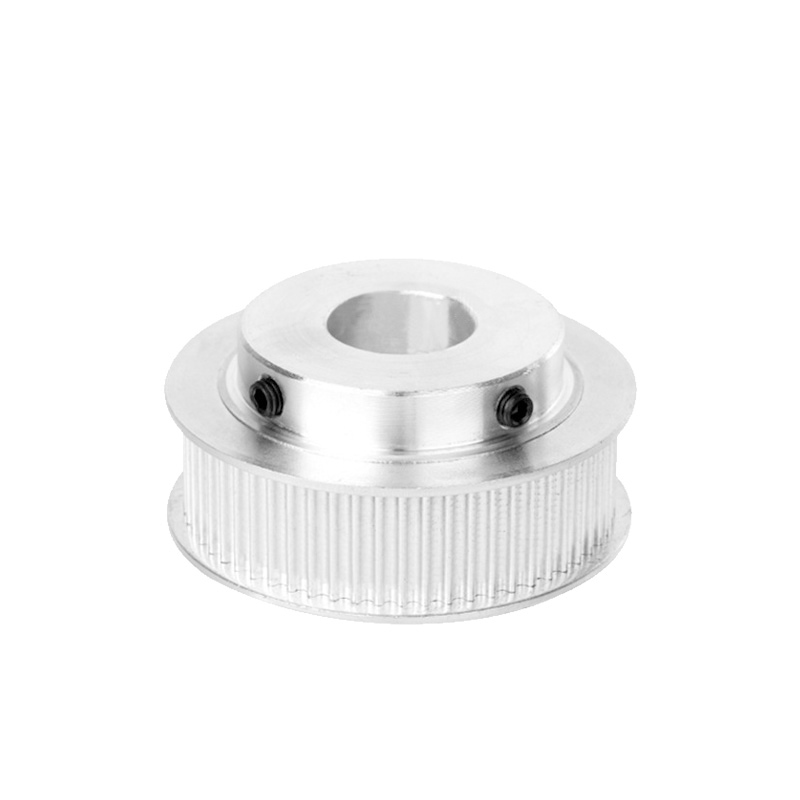
Ever wondered how machines maintain perfect synchronization? Timing pulleys are key to this precise function.
These specialized pulleys ensure that shafts rotate in harmony, preventing slippage and maintaining optimal performance in mechanical systems.
In this post, we'll explain what timing pulleys are, why they matter, and their essential role in power transmission.
What Are Timing Pulleys?
Definition of Timing Pulleys
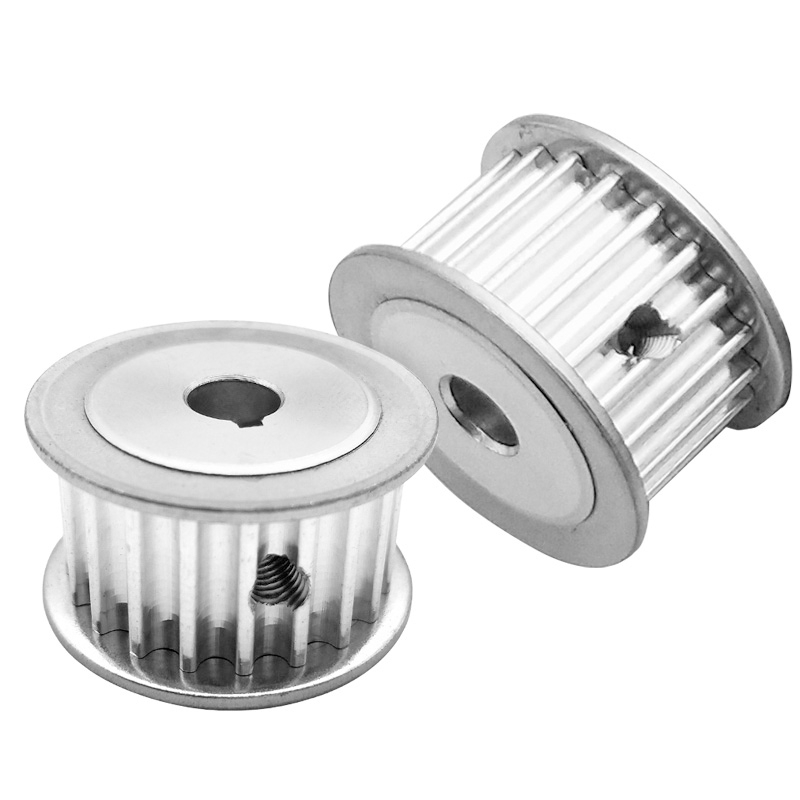
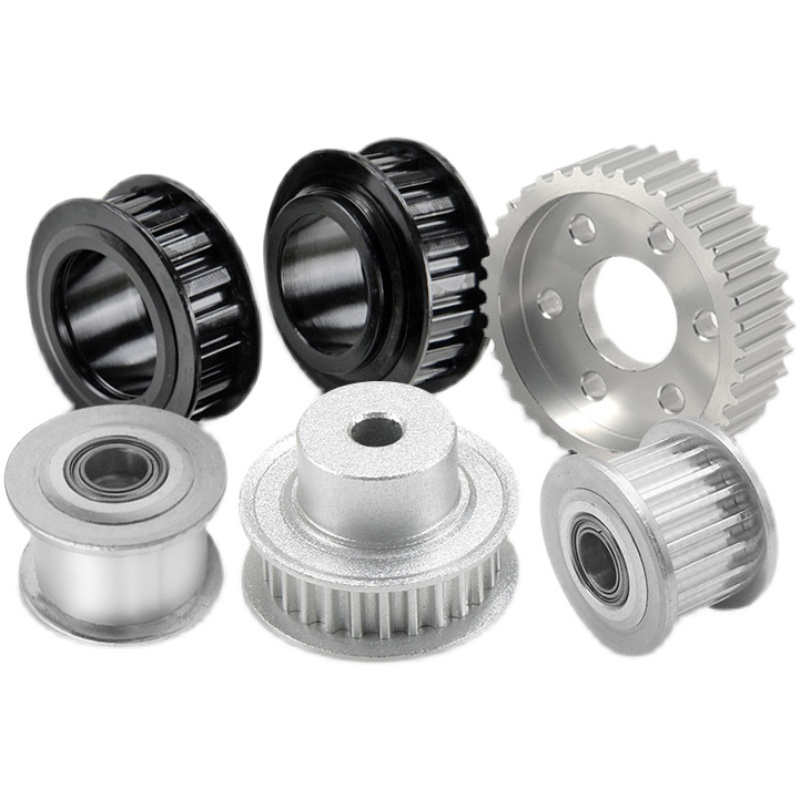
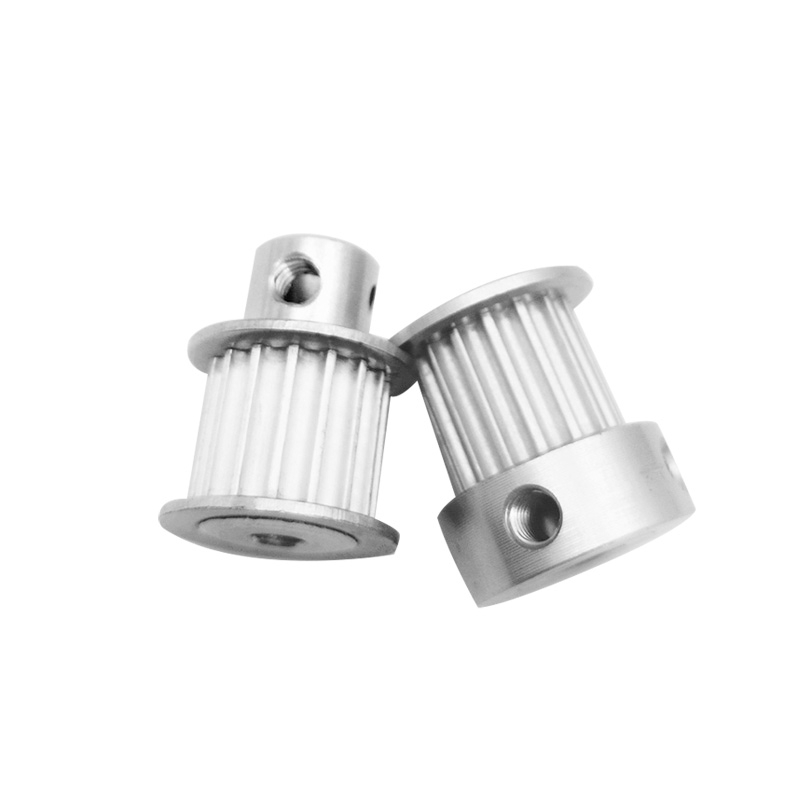
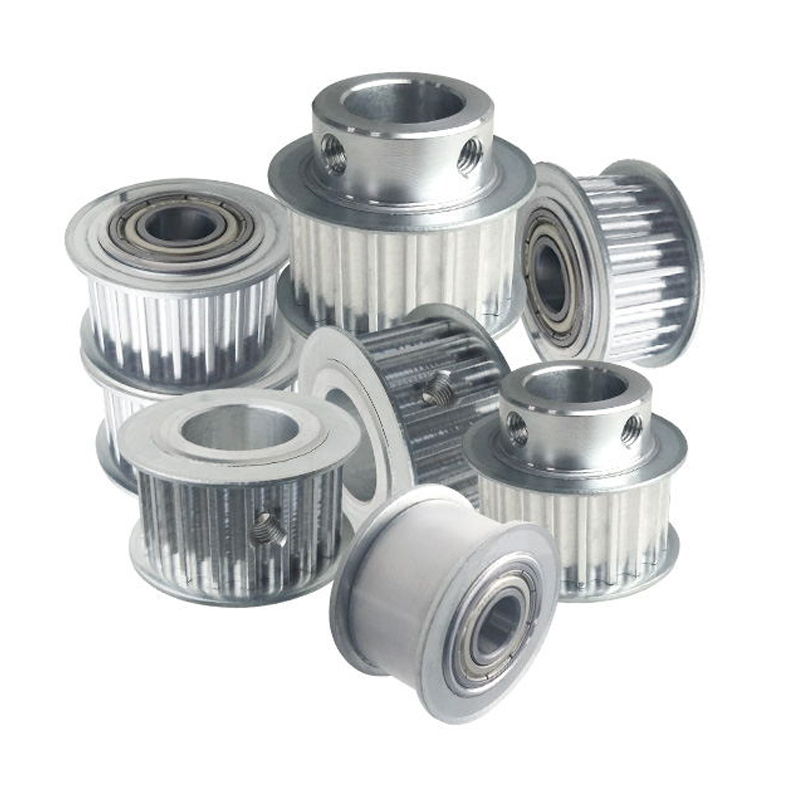
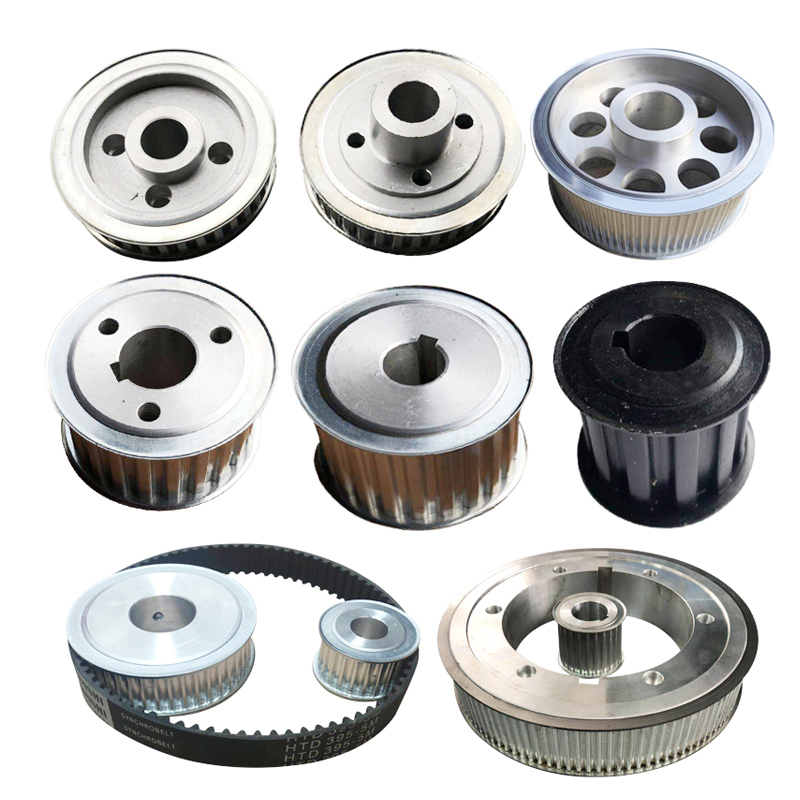
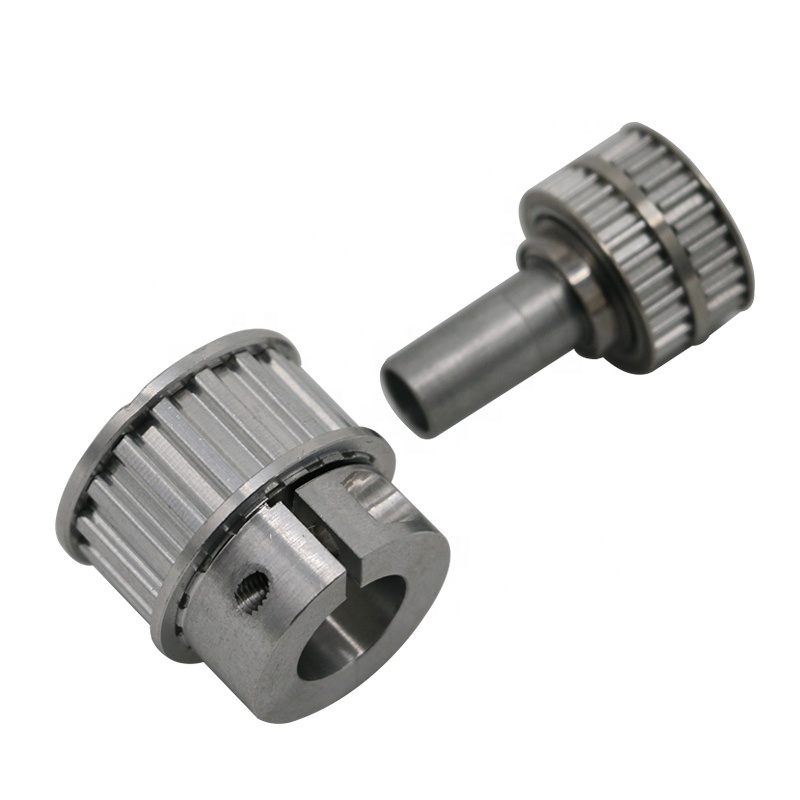
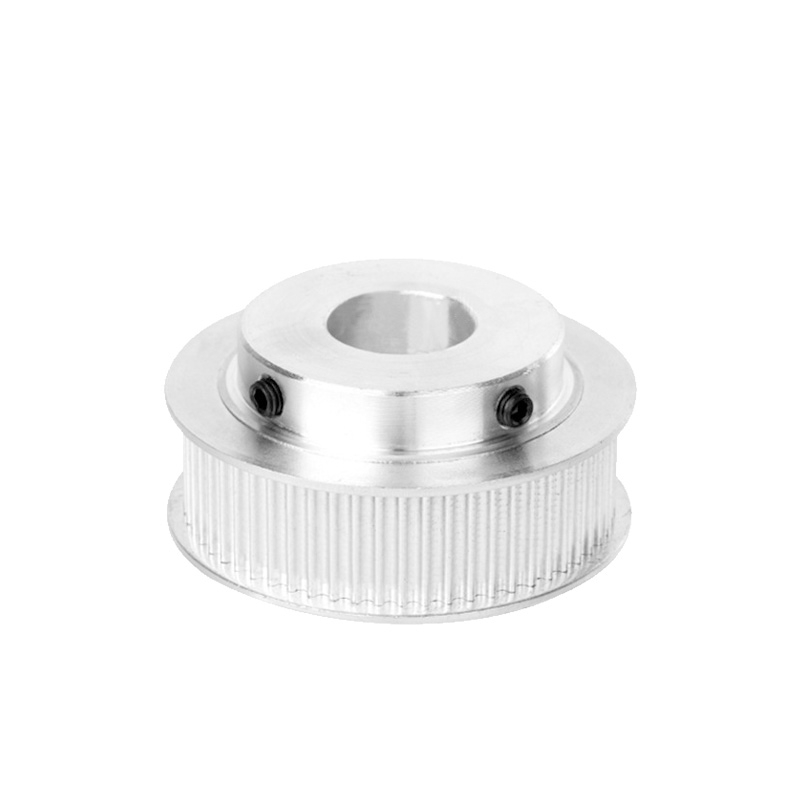
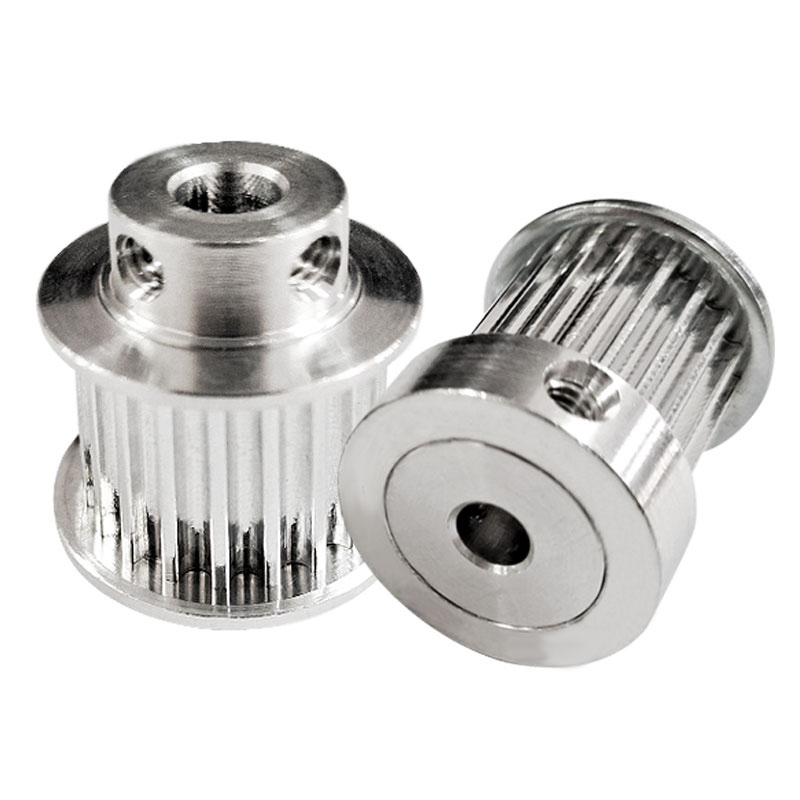
A timing pulley is a specialized type of pulley that features teeth along its circumference. Unlike traditional pulleys, which rely on smooth surfaces to transfer power, timing pulleys mesh with toothed belts to create a precise connection. The teeth on the pulley engage with the corresponding teeth on the timing belt, ensuring there is no slippage between the two. This design makes them ideal for applications requiring exact synchronization between two rotating shafts.
How Do Timing Pulleys Work?
The mechanics of a timing pulley are straightforward but effective. When the pulley rotates, its teeth grip the timing belt, transferring motion with high accuracy. This eliminates the risk of the belt slipping off, which can occur with standard smooth pulleys. Traditional pulleys, without teeth, rely on friction to turn the belt. However, friction alone can cause issues like slippage, making timing pulleys much more reliable in systems that need consistent and synchronized rotation.
Precision: The teeth on the pulley ensure that the belt stays in place, maintaining perfect timing.
No Slippage: Traditional smooth pulleys may allow the belt to slip, leading to synchronization problems.
Durability: The toothed design reduces wear and tear, extending the life of both the pulley and the belt.
Types of Timing Pulleys
GT2 Timing Pulley
The GT2 timing pulley is a popular choice for precision applications. It features a 2mm pitch, meaning the teeth are spaced 2mm apart. This design ensures high accuracy and minimal backlash, making it perfect for systems that need fine control.
Features: 2mm pitch, precise and low backlash.
Common Applications: Used in 3D printers and CNC machining, where high precision is essential for quality results.
GT3 Timing Pulley
The GT3 timing pulley has a slightly larger 3mm pitch. This balance between precision and speed makes it suitable for both detailed and faster-moving machinery. It’s commonly used in environments where moderate torque and speed adjustments are needed.
Features: 3mm pitch, strikes a balance between precision and speed.
Applications: Found in industrial machinery, larger systems, and robotics.
HDT5M Timing Pulley
The HDT5M timing pulley is designed for heavy-duty applications. It has a 5mm pitch and is built to handle higher torque and load capacity. This pulley is ideal for demanding systems that require robustness and the ability to transfer significant power.
Features: 5mm pitch, high torque capacity.
Applications: Used in heavy-duty machinery, conveyor systems, and industries requiring high load-bearing capacity.
Other Timing Pulley Variations
Aside from the common GT2, GT3, and HDT5M pulleys, there are other variations that serve specific functions:
Open Belt Drives: Used for simple, unidirectional movement between two parallel shafts.
Crossbelt Drives: Involves crossing the belt between shafts, typically for low-speed, large-scale applications.
Jockey Pulley Drives: Incorporates idler pulleys to maintain tension and improve power transmission efficiency.
Key Functions of a Timing Pulley
Positioning and Repeatability
Timing pulleys are essential in applications requiring precise, repeatable movement. In machines like CNC systems and robotics, accuracy is key. The teeth on the timing pulley ensure consistent positioning, preventing any movement errors that could affect the final product.
Applications: CNC machines, robotics, and 3D printing.
Why It Matters: These systems rely on perfect, repeatable movements to maintain high-quality outputs.
Power Transmission
Timing pulleys excel at transmitting rotational motion efficiently. The teeth on the pulley lock into the timing belt, ensuring the belt moves in sync with the pulley without slippage. This makes them ideal for situations where reliability and smooth operation are required.
Benefit: No slippage means the system operates smoothly, without power loss.
Common Uses: Engine timing, conveyor belts, and industrial machinery.
Reducing Backlash
Backlash occurs when mechanical systems have unwanted movement, especially during direction changes. Timing pulleys reduce this issue. Their toothed design provides a secure fit with the belt, preventing any play in the system and ensuring smoother, more accurate operations.
What is Backlash?: It’s the slight delay or movement between gears when direction changes.
How Timing Pulleys Help: They lock the motion in place, minimizing unwanted movement.
Speed Control
Timing pulleys also play a key role in controlling speed. By selecting pulleys of different sizes or tooth counts, you can adjust the rotational speed in mechanical systems. This allows for flexibility in various applications, such as machines that require specific speeds for different tasks.
Speed Adjustment: Use larger pulleys for slower speeds and smaller ones for faster speeds.
Common Applications: Machines with varying speed requirements, such as conveyor systems and manufacturing equipment.
Timing Pulley Applications
CNC Machining
In CNC machines, timing pulleys control the movement of cutting tools and workpieces with extreme precision. The pulleys ensure synchronized rotation, so the cutting process remains accurate and repeatable. This precision is crucial in manufacturing parts to exact specifications.
Key Role: Timing pulleys keep tools and workpieces aligned, preventing errors.
Applications: CNC routers, mills, and lathes.
3D Printing
Timing pulleys play a critical role in 3D printers by ensuring the precise movement of the print head and build platform. The synchronization between these components is essential for accurate material deposition, leading to high-quality printed objects.
How It Works: Timing pulleys ensure the print head moves smoothly across the x, y, and z axes.
Applications: Fused Deposition Modeling (FDM) and other 3D printing technologies.
Automotive Industry
In the automotive sector, timing pulleys help synchronize key engine components like the camshaft and crankshaft. This ensures the engine’s valves open and close at the right times, optimizing engine performance and fuel efficiency.
Role in Engines: Timing pulleys prevent the engine’s components from falling out of sync.
Applications: Timing belts in vehicles, including timing of intake/exhaust valves.
Printing Presses
Printing presses rely on timing pulleys to maintain the precise movement of paper and print heads. This synchronization ensures error-free printing, especially in high-volume settings. Without proper timing, misprints or jams could occur.
Importance: Precision movement prevents alignment issues in print production.
Applications: Commercial printing presses and industrial printers.
Industrial Machinery
In industrial machinery, timing pulleys control both power transmission and movement. They are used in heavy-duty systems, where high torque and reliable synchronization are required. These pulleys ensure that machines run smoothly under demanding conditions.
Applications: Conveyor belts, assembly lines, and material handling equipment.
Key Benefit: Reliable performance in heavy-duty, high-torque environments.
How to Choose the Right Timing Pulley
Material Considerations
The material of a timing pulley plays a big role in its performance and longevity. Common materials include:
Steel: Known for its strength and durability, steel is great for tough environments and heavy-duty applications.
Aluminum: Lightweight and resistant to corrosion, aluminum is ideal for applications where weight is a concern.
Plastic: Affordable and lightweight, plastic pulleys are suited for low-load applications and environments that don’t require heavy duty performance.
When choosing the material, consider the environmental conditions, such as temperature, pressure, and exposure to substances like oil. For example, in high-heat environments, steel or aluminum is more suitable, while plastic may be a good choice for non-demanding situations.
Sizing Considerations
To select the right size timing pulley, you'll need to evaluate several factors:
Teeth Volume and Pitch: The number of teeth and the distance between them (pitch) affects precision and torque.
Belt Length: Ensure your pulley matches the belt length for proper synchronization.
Component Weight: Heavier components require larger pulleys to maintain balance and avoid overloading.
Environmental Factors
Environmental conditions can impact the performance of your timing pulley. For example:
Extreme Temperatures: If the pulley operates in high or low temperatures, choose materials that can withstand these conditions, like steel or aluminum.
Humidity and Chemicals: If exposed to moisture or chemicals, you may need pulleys made from corrosion-resistant materials like urethane.
For tough environments, materials like urethane are ideal, especially when exposed to oils or harsh chemicals. Selecting the right material for the environment ensures your pulley performs well and lasts longer.
Common Problems with Timing Pulleys
How to Tell If a Timing Pulley is Failing
Timing pulleys can show signs of wear and failure over time. Here are some common issues to look for:
Oil Leaks: If the timing belt cover becomes damaged or worn, it can cause oil to leak out, leading to engine problems.
Excess Exhaust: A failing timing pulley can increase the load on the engine, causing it to overheat and emit more smoke than usual.
RPM Irregularity: If the RPMs of your system are inconsistent, the timing pulley might be slipping or its teeth might be worn down.
Teeth Wear: Over time, the teeth on the pulley or belt can wear down, reducing the grip and synchronization between the belt and pulley.
Preventive Maintenance Tips
To avoid timing pulley failure, regular maintenance is crucial. Here are some tips to keep your pulleys in top shape:
Regular Inspections: Check the timing pulley regularly for signs of wear, oil leaks, and damage.
Cleaning: Keep the pulley and surrounding components clean to prevent debris buildup, which could cause friction or misalignment.
Tighten Loose Components: Ensure all pulley components are properly tightened. Loose parts can cause excessive wear.
Lubrication: Ensure the timing pulley system is properly lubricated if needed, but avoid over-lubricating as this can attract dust and grime.
Comparing Timing Pulleys to Other Pulleys
Timing Belt Pulley vs. V-Belt Pulley
Timing pulleys and V-belt pulleys serve similar functions but differ in design and performance.
Design: Timing pulleys have teeth that engage with a toothed belt, ensuring precise synchronization. V-belt pulleys, on the other hand, use friction to transfer power between the pulley and a smooth V-shaped belt.
Pros of Timing Pulleys: Higher precision, reduced slippage, and quieter operation.
Cons of Timing Pulleys: Can be more complex to install and maintain.
Pros of V-Belt Pulleys: Simpler design, lower cost, and more common in older systems.
Cons of V-Belt Pulleys: Prone to slippage, less precise, and can cause more wear over time.
Timing Belt Pulley vs. Chain Drive Pulley
Both timing belt pulleys and chain drive pulleys transfer rotational motion but have key differences in maintenance and noise levels.
Maintenance: Timing belt pulleys generally require less maintenance since belts don't need lubrication. Chain drives, however, require regular lubrication and adjustment.
Noise: Timing pulleys are quieter because of the smooth engagement between the teeth. Chain drives tend to produce more noise due to the metal-to-metal contact.
Power Transmission: Chain drives are better for high-torque applications, while timing pulleys are ideal for applications requiring precision and minimal slippage.
Timing Pulley vs. Variable Speed Pulley
Variable speed pulleys are designed to adjust rotational speed, while timing pulleys ensure precise synchronization.
Functionality: Timing pulleys provide fixed, synchronized movement, ensuring that components work together at the same speed. Variable speed pulleys, however, can change the speed of a shaft, allowing for flexibility in different operational conditions.
Applications: Timing pulleys are used in systems where accuracy is crucial, like in engines or CNC machines. Variable speed pulleys are commonly found in larger machinery that requires speed adjustments, such as fans or compressors.
Timing Pulley Manufacturing and Customization
Custom Timing Pulleys
In some cases, off-the-shelf timing pulleys may not meet the unique requirements of your machinery. For these situations, custom timing pulleys are a great option. Custom pulleys are made to your exact specifications, ensuring a perfect fit for your application.
How to Get Custom-Made Timing Pulleys: To get a custom pulley, you’ll need to work closely with a manufacturer. Provide them with key details such as the pulley’s pitch, size, material, and any special performance requirements.
Advantages of Custom Pulleys:
- Perfect Fit: Tailored to your system’s precise needs.
- Enhanced Performance: Helps your system run more efficiently.
- Longer Lifespan: A custom design can minimize wear and tear, extending pulley life.
Choosing the Right Manufacturer for Timing Pulleys
Selecting the right manufacturer is crucial for getting high-quality, durable timing pulleys. Here’s what to consider:
Quality: Look for a manufacturer known for producing reliable, well-crafted pulleys. High-quality pulleys perform better and last longer.
Experience: A manufacturer with years of experience can provide better solutions and advice tailored to your needs.
Material Options: Ensure the manufacturer offers a variety of materials (e.g., steel, aluminum, plastic) to suit your application’s environment and load requirements.
Customization: Verify that the manufacturer can accommodate custom pulley designs, whether you need specific sizes or specialized features.
Lead Time: Choose a manufacturer with a proven track record of timely delivery, especially for custom orders.
Conclusion
Timing pulleys are crucial for precise synchronization in many applications, such as CNC machines and engines. They ensure efficient power transmission and minimal slippage.
When choosing the right pulley, consider factors like material, size, and environmental conditions.
For personalized advice, consult experts or manufacturers. Explore related products to find the best solution for your needs.
FAQ
Q: What’s the difference between a timing pulley and a regular pulley?
A: Timing pulleys have teeth that mesh with timing belts, ensuring precise synchronization. Regular pulleys rely on friction and don't guarantee such accuracy.
Q: Can timing pulleys be used in all types of machinery?
A: Yes, but they are best for machines requiring precise, synchronized movement, such as CNC machines and engines.
Q: How often should I inspect my timing pulley for wear?
A: Regularly inspect every 6 months or based on machine usage to check for wear, oil leaks, or damage.
Q: Can timing pulleys be used in outdoor environments?
A: Yes, but choose materials resistant to environmental conditions like temperature, humidity, and exposure to chemicals.
Q: What are the benefits of using a timing pulley over a V-belt pulley?
A: Timing pulleys offer better precision, reduced slippage, and quieter operation compared to V-belt pulleys.