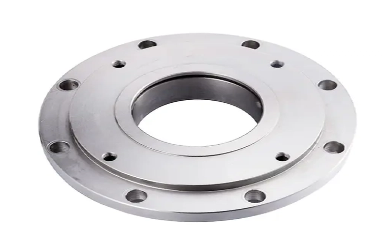
CNC turning is a highly precise machining process used to produce cylindrical or rotational parts by removing material from a workpiece using a cutting tool. It plays a crucial role in modern manufacturing, enabling the production of components used in industries such as automotive, aerospace, electronics, and medical devices. The precision and efficiency of CNC turning allow for the creation of parts with tight tolerances, smooth finishes, and complex geometries. However, the size of the parts that can be machined is determined by several factors, including the size and capacity of the CNC lathe, the chuck size, the machine bed length, and the material being processed. These limitations must be carefully considered when selecting a CNC turning machine to ensure it meets the specific requirements of a project, particularly when dealing with large or custom parts. Understanding these constraints is essential for manufacturers to optimize their production processes and ensure the desired results.
Factors Affecting Maximum Size for CNC Turning Parts
1.Machine Size and Capacity
The size and capacity of the CNC lathe are the primary factors in determining the maximum size of parts that can be machined. Larger machines with higher power ratings can handle bigger and heavier parts. CNC lathes come in various sizes, from small machines for precision components to large machines capable of turning parts with diameters several meters wide. The power and rigidity of the machine ensure it can withstand the forces and vibrations generated when machining larger workpieces.
2.Chuck Size
The chuck holds the workpiece during the turning process. Its size directly influences the maximum diameter of parts that can be securely clamped and rotated. A larger chuck allows for bigger workpieces, while a smaller chuck limits the part's diameter that can be turned. For high-diameter parts, manufacturers may need to use specialized chucks or collets that can accommodate larger parts without compromising the precision or stability of the machining process.
3.Bed Length
The bed length of the CNC lathe determines the maximum length of parts that can be turned. A shorter bed restricts the length of the part, while a longer bed provides more flexibility for machining longer components. For parts requiring precision over longer lengths, such as shafts or rods, choosing a CNC lathe with an appropriate bed length is essential to ensure consistent machining quality along the entire length of the workpiece.
4.Material Considerations
The material being machined also impacts the maximum size of the part. Harder or denser materials, such as stainless steel or titanium, may require more force and slower machining speeds, which could be a limiting factor for large parts. Additionally, materials with higher weight can strain the CNC lathe, requiring more robust equipment to handle the load. The machinability of the material is also a factor, as tougher materials may necessitate specific cutting tools or adjustments in machining parameters to maintain both precision and efficiency.
Typical Maximum Sizes for CNC Turning
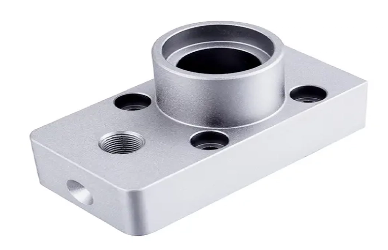
CNC turning machines come in a variety of sizes and configurations, each designed to handle different part dimensions based on their specific capacity. The maximum size of parts that can be machined is influenced by the machine's capabilities, such as diameter, length, and machine type.
1.Common Size Ranges for CNC Turning Machines:
Diameter: Standard CNC lathes typically handle parts with a diameter range from 1 inch (25mm) up to 12 inches (300mm). Larger machines can process diameters up to 40 inches (1 meter) or more. The specific diameter depends on the size of the chuck and the spindle capacity.
Length: In terms of length, parts are usually limited by the bed length of the CNC lathe. For smaller CNC lathes, the maximum part length may range from 2 inches (50mm) to 12 inches (300mm). Larger lathes with extended beds can handle part lengths up to 40 feet (12 meters), particularly for industrial and heavy-duty applications like turbine shafts or large-diameter pipes.
2.Examples of CNC Lathes with Larger Capacities:
Vertical Lathes: Vertical CNC lathes are specifically designed for larger and heavier parts. They are capable of machining parts up to 120 inches (3 meters) in diameter and 60 inches (1.5 meters) in length. These machines are ideal for parts used in aerospace, defense, and large-scale industrial manufacturing.
Horizontal CNC Lathes: For longer parts, horizontal CNC lathes are better suited. These machines can handle parts up to 100 inches (2.5 meters) in length and 20 inches (500mm) in diameter. Horizontal lathes are commonly used for large shafts, rods, and tubes.
Custom CNC Lathes: For specialized high-performance machining, custom CNC lathes can be configured to accommodate parts even larger than standard lathes. These machines often feature extended beds, higher power ratings, and advanced tooling options, allowing them to machine parts exceeding 20 feet (6 meters) in length and over 40 inches (1 meter) in diameter.
Specialized CNC Lathes for Larger Parts
When dealing with large, heavy-duty components, specialized CNC lathes are essential to ensure precision and efficiency. While standard CNC turning machines are effective for medium-sized parts, vertical lathes, horizontal lathes, and custom CNC machines offer enhanced capabilities for machining larger parts that require more power, precision, and flexibility. These specialized machines are designed to handle the demands of manufacturing large-scale parts used in industries such as aerospace, automotive, and heavy machinery.
1.Vertical Lathes
Vertical CNC lathes are specifically designed to handle larger, heavier parts with precision. These machines are particularly suited for parts that require a larger diameter and shorter length, making them ideal for machining components like brake drums, flanges, and disks. The main advantage of vertical lathes is their ability to work with heavy materials, as the workpiece is supported from the top, reducing the risk of deflection or vibration during machining. Vertical lathes typically offer a diameter capacity ranging from 12 inches (300mm) to over 120 inches (3 meters), depending on the machine configuration. Their high torque and stability allow for the machining of large, complex geometries with tight tolerances.
2.Horizontal Lathes
Horizontal CNC lathes are designed for machining long, large-diameter parts, making them ideal for applications such as shafts, pipes, and tubes. The workpiece is mounted horizontally on the spindle, which allows for the efficient handling of longer components. Horizontal lathes are often used for parts that require precision over long lengths, such as automotive axles or long structural components. They can typically handle diameters up to 40 inches (1 meter) and lengths of several feet. With high stability and rigidity, horizontal lathes excel in applications that demand high torque and cutting power for heavy material removal.
3.Custom CNC Machines
In addition to standard vertical and horizontal lathes, custom CNC machines can be specifically designed and configured to meet the unique needs of large or complex parts. These machines are often built with extended beds, enhanced spindle power, and larger chuck sizes to accommodate oversized workpieces. Custom CNC lathes can be equipped with multi-axis capabilities, advanced cooling systems, and specialized tooling to handle even the most challenging materials and geometries. For example, industries like aerospace may require custom CNC machines to handle extremely large, high-precision components like turbine blades or engine casings, which standard lathes cannot accommodate.
Advantages of Specialized CNC Lathes:
Enhanced capacity: Larger diameters and longer parts can be machined with high precision.
Heavy-duty handling: Capable of machining hard, tough materials without sacrificing part quality.
Custom configurations: Tailored machines to meet specific production needs and tolerances.
FAQ
1. What is the maximum diameter for parts that can be machined on a CNC lathe?
The maximum diameter depends on the lathe's chuck size, with typical machines handling parts from a few millimeters up to several feet in diameter.
2. How long can parts be in CNC turning?
The maximum length for a part is determined by the machine bed length, and typical machines can handle parts ranging from a few inches to over 12 feet.
3. Can CNC turning machines handle very large parts?
Yes, larger CNC lathes like vertical lathes and horizontal lathes are designed to machine very large, heavy-duty parts, such as those used in aerospace or construction.
4. How does material impact the size limitations of CNC turning?
Materials with higher weight or hardness may impose additional limits on size, requiring special handling or adjustments in machine setup for efficient turning.
Conclusion
In summary, the size limitations of parts that can be machined using CNC turning are influenced by several key factors, including the machine size and capacity, chuck size, bed length, and the material being processed. CNC lathes come in various configurations, such as vertical lathes for heavy-duty parts and horizontal lathes for longer, large-diameter components. Understanding these factors is essential when choosing the right CNC lathe for your part requirements. For smaller, precision components, standard lathes may suffice, but for larger or more complex parts, specialized machines or custom configurations are necessary to ensure high-quality results. By carefully assessing the size, material, and complexity of your parts, you can select the most suitable CNC lathe that meets both the production needs and tolerances, ensuring efficient and accurate machining.