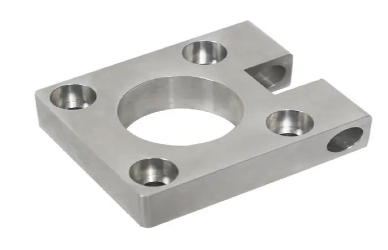
CNC machining is a precise manufacturing process that uses computer-controlled machines to cut, shape, and finish materials, including stainless steel. Stainless steel, known for its durability, corrosion resistance, and strength, is a commonly used material in industries such as aerospace, automotive, medical devices, and food processing. However, machining stainless steel poses unique challenges due to its hardness, strength, and tendency to work-harden during processing. Selecting the right tools for CNC machining is critical to achieving efficient and high-quality results. The tools chosen must be capable of withstanding high cutting forces, heat buildup, and abrasion without compromising on precision. Whether it's carbide, high-speed steel (HSS), or ceramic tools, each material has its advantages and is suited to specific applications depending on the grade and hardness of the stainless steel being machined. Understanding the importance of tool selection ensures optimized performance, reduced tool wear, and improved overall machining efficiency.
Types of Tools Used for Stainless Steel Machining
1.Cutting Tools:
The choice of cutting tools for machining stainless steel significantly impacts the quality and efficiency of the process. The most common cutting tools used include:
High-Speed Steel (HSS): Often used for general machining, HSS offers good toughness and is cost-effective. It's ideal for lower-speed applications and for machining softer stainless steel grades (e.g., 304).
Carbide Tools: Carbide tools are preferred for machining harder stainless steels due to their superior hardness and wear resistance. They can withstand high cutting temperatures and are ideal for high-speed operations.
Ceramic Tools: Ceramic tools are ideal for high-speed machining of hardened stainless steel alloys. They offer excellent wear resistance but are more brittle, requiring careful handling and proper machine setup.
Coated Tools: Tools coated with materials like titanium nitride (TiN) or titanium aluminum nitride (TiAlN) are widely used to reduce friction, improve tool life, and enhance heat resistance. These coatings are particularly useful in high-speed machining of stainless steel.
2.Drill Bits:
Drill bits are essential for creating holes in stainless steel. For high-strength stainless steel applications, carbide and cobalt drill bits are commonly used. Carbide drill bits provide superior hardness and wear resistance, making them ideal for tough materials like 17-4 PH stainless steel. Cobalt drill bits, with their higher heat resistance, are also useful for drilling at higher speeds and are more suitable for tougher alloys.
3.End Mills:
End mills are versatile cutting tools used for a variety of operations, including roughing, finishing, and profiling. The types of end mills used for stainless steel machining include:
Roughing End Mills: Designed for fast material removal, roughing end mills have a distinctive design that minimizes cutting forces and heat buildup, making them ideal for removing large amounts of material from stainless steel.
Finishing End Mills: These are used for precise cutting and fine surface finishes. They typically have fewer teeth and finer tolerances, allowing for smooth finishes on parts.
Ball Nose End Mills: Used for creating complex 3D shapes and contours in stainless steel, ball nose end mills are essential for detailed, intricate machining tasks.
4.Tapping Tools:
Tapping tools are used for threading operations in stainless steel. Taps are typically made of HSS or carbide depending on the required strength and durability. HSS taps are suitable for softer stainless steel grades, while carbide taps are better suited for harder materials. Tapping operations require careful attention to feed rates, cutting speed, and coolant to avoid damage to the tool and ensure clean threads.
5.Boring Tools:
Boring tools are used for machining internal diameters, especially in applications where high precision is required. Carbide or HSS boring tools are commonly used in stainless steel machining. Carbide tools are often preferred for their rigidity and wear resistance, while HSS boring tools are more cost-effective and suitable for less demanding applications. These tools are available in various shapes and sizes to handle different internal diameter machining tasks.
Tool Materials for Machining Stainless Steel
1.Carbide Tools:
Carbide tools are widely used for machining hard stainless steel grades such as 17-4 PH, 440C, and other high-hardness alloys. Carbide's superior hardness and wear resistance make it ideal for high-speed cutting operations and tough materials. Carbide tools maintain their edge longer and can handle higher temperatures and cutting forces, which are often encountered when machining harder stainless steels. These tools are commonly used for turning, milling, drilling, and other high-precision operations. They do, however, tend to be more expensive than other materials.
2. High-Speed Steel (HSS):
HSS is a more economical tool material compared to carbide and is commonly used for general stainless steel machining, especially for softer grades like 304 and 316. HSS tools offer a good balance of cost and performance, making them a popular choice for standard machining tasks. While HSS tools don’t perform as well at higher cutting speeds as carbide tools, they provide excellent toughness and are suitable for a wide variety of applications. Additionally, HSS tools are more resilient to sudden impacts or thermal shock, making them a versatile choice for general-purpose machining.
3. Ceramic Tools:
Ceramic tools are ideal for high-speed machining of hardened stainless steels and superalloys. Made from materials such as aluminum oxide or silicon nitride, ceramic tools offer extreme hardness and wear resistance, making them suitable for finishing operations on hard materials. However, they are brittle and can be prone to chipping under improper conditions, so they require more careful handling and precise machine control. Ceramic tools are typically used for high-precision applications where maintaining a fine surface finish is crucial.
4. Coated Tools:
Coated tools feature a layer of material, such as Titanium Nitride (TiN) or Titanium Aluminum Nitride (TiAlN), to improve tool performance and lifespan. These coatings serve multiple purposes:
Reduced Wear: The coating decreases friction between the tool and the workpiece, reducing tool wear.
Heat Resistance: Coatings like TiAlN offer high heat resistance, making them ideal for machining stainless steel, especially when dealing with high cutting temperatures.
Improved Cutting Efficiency: Coatings improve cutting efficiency by enhancing chip removal and reducing the risk of built-up edge (BUE), which is common when machining stainless steel.
Coated tools are suitable for a variety of machining processes, including turning, milling, and drilling, and they provide an excellent balance between performance and tool longevity.
Tool Selection Considerations
1.Tool Durability:
Stainless steel’s toughness creates significant friction, leading to rapid tool wear. Tools made from carbide, ceramic, or coated materials offer superior durability compared to HSS tools. Carbide tools, especially, excel in machining harder alloys like 17-4 PH, reducing downtime and ensuring consistent performance.
2. Cutting Speed and Feed Rate:
Slower cutting speeds and lower feed rates are required for stainless steel, particularly harder alloys. Carbide tools handle high cutting speeds but need proper feed rates to avoid excessive wear. HSS tools are better suited for slower, controlled operations, making them ideal for softer grades like 304. The right tool material and geometry balance speed, efficiency, and tool life.
3. Heat Resistance:
Machining stainless steel generates significant heat, which can degrade tools and deform materials. Heat-resistant coatings like TiN and TiAlN help minimize heat buildup, while ceramic tools offer excellent heat resistance for high-speed operations. Proper feed rates and coolant application also help manage heat and extend tool life.
Tool Selection Considerations
1.Tool Durability:
Stainless steel is abrasive, so choosing tools with high durability is essential. Carbide and ceramic tools are ideal for their wear resistance, especially for harder alloys like 17-4 PH. Tools with superior durability reduce downtime and maintain machining precision.
2.Cutting Speed and Feed Rate:
Selecting tools based on the required cutting speed and feed rate optimizes machining efficiency. Carbide tools can handle higher speeds, while HSS tools are better for slower, controlled operations. The right combination ensures effective material removal and extends tool life.
3.Heat Resistance:
Machining stainless steel generates significant heat, which can degrade tools and affect quality. Tools with heat-resistant coatings (e.g., TiN or TiAlN) and ceramic tools help manage heat buildup, ensuring consistent tool performance and avoiding material deformation.
Optimizing Tool Performance
1.Tool Coatings:
Coatings like TiN and TiAlN reduce friction, wear, and heat buildup, extending tool life. They improve cutting efficiency, especially in stainless steel, where heat and abrasion are common.
2.Coolant Use:
Proper coolant is essential to reduce heat and prolong tool life. High-pressure or flood cooling helps dissipate heat, lubricate the cutting zone, and flush away chips, ensuring smoother cuts and better surface finishes.
3.Tool Geometry:
Tool geometry, including rake angles, clearance angles, and cutting edge design, impacts machining efficiency. Optimizing geometry reduces cutting forces, improves chip removal, and enhances tool life for precise stainless steel machining.
FAQ
1.What factors should I consider when selecting tools for stainless steel machining?
Consider material hardness, tool durability, heat resistance, cutting speed, and coolant use. Harder alloys need tools with superior wear resistance, like carbide or ceramic.
2.Why is carbide preferred for machining hard stainless steel alloys?
Carbide is preferred for its high hardness, wear resistance, and ability to withstand high temperatures, making it ideal for tough alloys like 17-4 PH.
3.Can ceramic tools be used for machining all types of stainless steel?
Ceramic tools are great for high-speed machining of hard alloys but are brittle and not suited for softer grades like 304.
4.How does tool coating affect the performance of stainless steel machining?
Coatings like TiN and TiAlN reduce friction, improve heat resistance, and extend tool life, especially in high-speed machining of stainless steel.
Conclusion
Selecting the right tool for machining stainless steel is crucial for achieving optimal performance, precision, and tool longevity. Stainless steel’s toughness and heat resistance demand tools that can withstand high wear rates and cutting temperatures. Carbide tools are ideal for hard alloys like 17-4 PH, while HSS tools work well for softer grades such as 304. Ceramic tools are perfect for high-speed machining of hardened alloys but require careful handling due to their brittleness. Additionally, coated tools enhance wear resistance and heat management, extending tool life and improving machining efficiency. To optimize both performance and cost-effectiveness, it’s essential to consider the material's hardness, cutting conditions, and the desired outcome when selecting tools. By choosing the right tools, you ensure higher machining accuracy, longer tool life, and reduced downtime, leading to more efficient and cost-effective production.