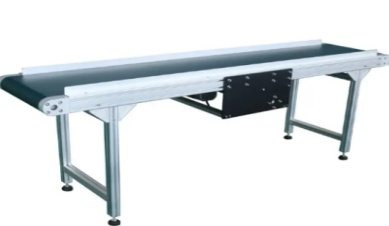
In the era of Industry 4.0, automation has become the backbone of modern manufacturing. Whether it’s robotic assembly lines, precision inspection systems, or automated material handling solutions, the structural framework plays a crucial role in determining overall efficiency, stability, and flexibility. Among the numerous materials available for designing automation equipment, aluminum frameworks stand out as one of the most effective, durable, and versatile choices. This article explores why aluminum frameworks have become the go-to solution in automation equipment design and how they contribute to performance optimization and long-term value.
1. The Role of Structural Frameworks in Automation Equipment
Automation systems require rigid and adaptable frameworks to support machinery, sensors, actuators, and motion control components. The framework serves as the backbone of the entire setup, ensuring mechanical stability, vibration resistance, and modular flexibility. Traditional materials like steel were once dominant due to their strength, but they often come with trade-offs such as high weight, corrosion susceptibility, and limited configurability.
With the increasing demand for flexible and lightweight industrial systems, aluminum frameworks—especially those built using T-slot aluminum extrusion systems—have emerged as a superior alternative. These frameworks combine strength and lightness while enabling quick assembly, reconfiguration, and scalability—key requirements for automation applications.
2. Advantages of Aluminum Frameworks in Automation Design
When it comes to designing advanced automation systems, the choice of structural material directly impacts performance, flexibility, and long-term efficiency. Aluminum frameworks have gained wide recognition across manufacturing, logistics, and robotics industries because they perfectly balance mechanical strength, modularity, and sustainability. Below are the key reasons aluminum frameworks are considered the ideal choice for automation equipment design.
Lightweight yet Structurally Strong
One of aluminum’s most defining characteristics is its exceptional strength-to-weight ratio. Aluminum extrusions can achieve similar rigidity to steel structures while weighing only about one-third as much. This reduced mass provides several critical advantages in automation environments.
First, the lighter framework lowers inertia in moving systems, allowing actuators and motors to operate more efficiently. This leads to quicker response times, smoother motion control, and less energy consumption. In dynamic systems such as robotic work cells or conveyor platforms, this translates into higher throughput and lower operational costs.
Modularity and Design Flexibility
Unlike welded steel frames that are permanent and difficult to modify, aluminum frameworks are fully modular and reconfigurable. They typically use T-slot profiles, which allow engineers to construct, expand, or modify systems using simple fasteners and connectors—without welding, grinding, or repainting.
This modular design philosophy gives manufacturers the freedom to:
Adjust or expand machine layouts as production demands evolve
Quickly integrate new equipment, sensors, or robotic tools
Prototype and test automation concepts without costly tooling
Disassemble and reuse components across multiple projects
For industries like electronics, logistics, and automotive manufacturing, where new product lines and process updates are frequent, this adaptability provides a major competitive edge. Instead of scrapping existing structures, engineers can simply reconfigure the aluminum framework to accommodate new requirements—saving time, resources, and capital investment.
Corrosion Resistance and Durability
Aluminum is inherently resistant to corrosion due to the formation of a natural oxide layer on its surface. This thin protective film acts as a barrier against moisture, chemicals, and oxidation, even in harsh or humid environments. As a result, aluminum frameworks require minimal maintenance compared to painted or coated steel structures.
This corrosion resistance makes aluminum ideal for industries that demand cleanliness and longevity—such as food processing, pharmaceuticals, and semiconductor manufacturing. In cleanroom environments, anodized aluminum profiles not only maintain their pristine appearance but also resist bacterial growth and contamination.
Precision and Stability
Automation systems rely on dimensional accuracy and mechanical stability to ensure consistent product quality. Aluminum extrusions are manufactured with tight tolerances, ensuring excellent alignment for robotic arms, actuators, and conveyors. This dimensional precision allows engineers to create stable and vibration-resistant platforms—critical for applications such as vision inspection, laser cutting, and pick-and-place robotics.
Additionally, aluminum has a relatively low coefficient of thermal expansion compared to many polymer-based or composite materials. This means its dimensions remain stable under changing operational temperatures, maintaining accuracy in sensitive automation environments where micrometer-level precision matters.
Ease of Assembly and Maintenance
Another key benefit of aluminum frameworks is their ease of assembly. They can be built using standard connectors, corner brackets, and bolts, often requiring only basic hand tools. No welding, grinding, or specialized labor is necessary. This not only reduces setup time but also ensures that frameworks can be safely modified or extended by in-house technicians.
Maintenance and reconfiguration are equally simple. Individual sections can be detached, replaced, or repositioned without dismantling the entire structure. This modular approach reduces downtime during maintenance, allows for quick system upgrades, and improves overall equipment uptime.
Aesthetic and Functional Appeal
Beyond its mechanical advantages, aluminum also offers a distinct aesthetic and functional appeal. The smooth anodized finish provides a sleek, professional look that reflects modern engineering standards. The surface is naturally resistant to scratches and fingerprints, maintaining a clean, high-tech appearance over years of use.
This aesthetic consistency complements the image of smart factories and automated laboratories, where technology and design are closely intertwined. Additionally, the smooth surface makes aluminum easy to clean, which is essential for hygiene-sensitive applications.
3. Applications of Aluminum Frameworks in Automation Equipment
The versatility of aluminum frameworks makes them suitable for a broad range of automation-related applications:
Application | Description |
Robot Workstations | Provide a lightweight, rigid structure for collaborative robot (cobot) systems, with adjustable arms and mounts. |
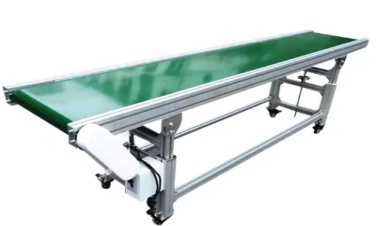
Conveyor Systems | Support flexible transport modules that can be reconfigured as production layouts change. |
Machine Guarding | Create protective enclosures and safety barriers with transparent polycarbonate panels integrated into aluminum frames. |
Workbenches and Tool Stations | Support ergonomic designs tailored to specific assembly or testing processes. |
Cleanroom Enclosures | Offer smooth, corrosion-resistant surfaces suitable for pharmaceutical or semiconductor environments. |
Automated Inspection Systems | Provide vibration-resistant support for cameras, sensors, and lighting systems in precision measurement setups. |
These examples highlight how aluminum frameworks serve not only as structural supports but also as integrated elements of automation efficiency, safety, and scalability.
4. Sustainability and Energy Efficiency
Recyclability and Low Environmental Impact
Aluminum is a fully recyclable material, and recycling it requires only about 5% of the energy needed for primary production. This eco-friendly aspect aligns with the growing sustainability goals of manufacturers worldwide.
By choosing aluminum frameworks, companies reduce their environmental footprint and support circular economy principles without compromising on structural integrity or performance.
Reduced Energy Consumption in Equipment Operation
The lightweight nature of aluminum contributes to energy-efficient automation systems. Equipment supported by aluminum frameworks generally requires less power to move or adjust, particularly in dynamic robotic systems. Over time, these small energy savings accumulate into significant cost and sustainability advantages.
5. Comparing Aluminum Frameworks with Steel and Other Materials
Property | Aluminum Frameworks | Steel Frameworks | Plastic/Composite Frameworks |
Weight | Light | Heavy | Light |
Strength | High | Very High | Moderate |
Corrosion Resistance | Excellent | Poor (requires coating) | Excellent |
Cost Efficiency (Lifecycle) | High | Medium | Medium |
Ease of Assembly | Easy, modular | Complex, welded | Easy but limited strength |
Recyclability | Excellent | Good | Limited |
Precision and Stability | High | Very High | Moderate |
Design Flexibility | Excellent | Poor | Good |
From this comparison, it’s evident that aluminum offers a balanced performance profile, combining strength, versatility, and cost-effectiveness that other materials struggle to match—especially in environments that demand quick adaptability and high precision.
6. Design Best Practices for Aluminum Automation Frameworks
To fully utilize aluminum’s potential, engineers should consider the following design principles:
Use standardized T-slot profiles to ensure compatibility with a wide range of connectors and accessories.
Plan modular layouts that allow for future expansion or reconfiguration.
Integrate vibration-dampening elements for high-precision equipment.
Apply proper load calculations to ensure structural stability under dynamic conditions.
Include protective end caps and covers to enhance safety and aesthetics.
By applying these best practices, automation designers can create frameworks that are both mechanically robust and operationally efficient.
7. The Future of Aluminum in Industrial Automation
As industries move toward smart manufacturing, AI-driven robotics, and IoT-enabled systems, aluminum frameworks will continue to play a pivotal role. Their compatibility with sensors, cable routing systems, and adjustable components make them ideal for integrating smart technologies into physical automation infrastructures.
Furthermore, the development of high-strength aluminum alloys and hybrid composite frameworks promises even greater possibilities in terms of performance, weight reduction, and precision control.
Conclusion
The advantages of aluminum frameworks in automation equipment design are clear: they offer a perfect blend of strength, flexibility, sustainability, and aesthetic appeal. Their modularity and ease of customization allow manufacturers to respond quickly to changing production needs while maintaining high standards of precision and safety.
For companies seeking reliable, high-quality aluminum framework solutions, Hunan Langle Technology Co., Ltd. provides extensive expertise and a proven track record in designing and manufacturing aluminum profiles for automation systems. To explore more about their innovative products and solutions, visit www.langle-aluminum.com or contact their team for professional consultation.
By integrating aluminum frameworks into your automation designs, you not only enhance performance and efficiency but also build a sustainable foundation for the future of intelligent manufacturing.